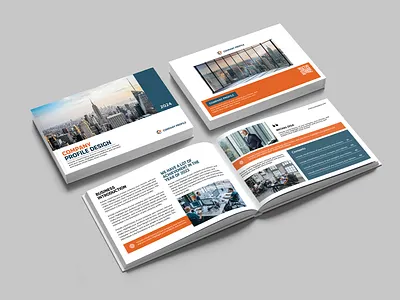
In today’s fast-paced business environment, first impressions matter more than ever. Potential clients, investors, and partners often form opinions about a company within seconds of engaging with its brand. While a compelling website, professional branding, and strong marketing strategies play a crucial role, the cornerstone of a business's professional image often lies in a well-crafted company profile. A custom company profile design not only communicates what your business does but also reflects its values, culture, and vision. In this article, we will explore the significance of custom company profiles, their essential components, design strategies, and how they can elevate your business presence.
What is a Company Profile?
A company profile is essentially a snapshot of your business. It summarizes what your company does, its mission and vision, products or services, history, achievements, and sometimes the team behind the organization. Think of it as a professional portfolio that speaks on behalf of your business, conveying credibility and trustworthiness to your audience.
While standard company profiles serve a basic purpose, custom company profile design takes it a step further by making your profile unique, visually appealing, and tailored to resonate with your target audience. It’s not just about listing facts; it’s about telling your business story in a way that engages readers and leaves a lasting impression.
Why Businesses Need a Custom Company Profile
Every business, regardless of its size or industry, can benefit from a custom company profile design. Here’s why:
1. Creates a Strong First Impression
Your company profile is often the first detailed interaction a client or partner has with your brand. A well-designed profile immediately communicates professionalism and reliability. It shows that your company pays attention to detail and values quality in every aspect of its operations.
2. Establishes Brand Identity
A custom company profile incorporates your brand’s colors, typography, logos, and visual style. This consistency strengthens brand recognition and makes your company more memorable. When a client sees your profile, they should instantly identify it with your brand.
3. Communicates Key Information Clearly
A profile is more than aesthetics. It organizes and presents crucial information in a structured way. From your company’s history and mission to its achievements and future goals, a custom profile ensures that readers can quickly grasp the essence of your business.
4. Differentiates You from Competitors
In competitive markets, standing out is essential. A standard template might communicate basic information, but it won’t highlight what makes your business unique. Custom design allows you to showcase your company’s strengths, innovations, and values in a way that competitors cannot replicate.
5. Builds Trust and Credibility
A polished, well-designed profile instills confidence in potential clients, investors, and partners. It demonstrates professionalism and reassures them that your company is credible and dependable.
Key Elements of a Custom Company Profile
Creating a custom company profile requires careful thought and planning. While every profile is unique, certain elements are fundamental to making it effective:
1. Company Overview
This section introduces your business to readers. Include:
- Company name and logo
- Type of business and industry
- Year of establishment
- Headquarters and locations
- Brief introduction to your products or services
Keep this section concise yet engaging. Think of it as the “elevator pitch” of your company profile.
2. Mission and Vision Statements
Your mission explains why your company exists, while your vision outlines what it aspires to achieve. Clear, inspiring statements help stakeholders understand your business philosophy and long-term goals.
3. Products and Services
Highlight what your company offers. Use engaging descriptions, visuals, or infographics to make it easy for readers to understand your products or services. Focus on the benefits and value you provide rather than just listing features.
4. Company History and Milestones
A timeline of your company’s journey can make your profile more relatable and authentic. Include important milestones, awards, achievements, and significant projects to show growth and credibility.
5. Team and Leadership
Introduce the people behind your company. Profiles of key team members, founders, or executives with professional photos and brief bios humanize your business and strengthen trust.
6. Client Testimonials and Case Studies
Adding real-world examples of your work or positive client feedback enhances your profile’s credibility. Case studies demonstrate how your solutions solve problems and create value for clients.
7. Contact Information
Ensure that potential clients or partners can easily reach you. Include your website, email, phone number, and physical address. Social media handles can also help in connecting with a broader audience.
Design Strategies for an Impactful Company Profile
Design plays a crucial role in making your company profile effective. Here’s how to create a visually appealing and engaging profile:
1. Align with Brand Identity
Consistency is key. Your company profile should reflect your brand colors, fonts, and style. This not only strengthens brand recognition but also reinforces a sense of professionalism and reliability.
2. Use High-Quality Visuals
Images, graphics, and icons can make your profile more engaging and easier to read. Use professional photos of your team, office, and products, along with custom illustrations to break text monotony.
3. Maintain Clarity and Readability
Even with great visuals, your content should be easy to digest. Use headings, subheadings, bullet points, and short paragraphs. Avoid clutter and focus on clarity.
4. Tell a Story
Instead of presenting a dry list of facts, tell a compelling story about your company. Share challenges you overcame, innovations you pioneered, or values you hold dear. Storytelling makes your profile memorable.
5. Incorporate Infographics and Charts
Complex information like growth statistics, market share, or project impact can be presented using infographics or charts. Visual data is easier to understand and leaves a stronger impression.
6. Include a Call to Action
A company profile should not just inform but also encourage action. Whether it’s visiting your website, contacting your sales team, or exploring your products, a clear call to action guides readers toward the next step.
Benefits of Investing in a Professional Custom Company Profile
While some businesses attempt to create profiles internally using generic templates, professional custom design offers significant advantages:
1. Professional Appeal
Professionally designed profiles exude quality and attention to detail. They signal that your company invests in its brand image, which reflects positively on your services and products.
2. Better Engagement
Custom design, storytelling, and visuals make your profile more engaging. Readers are more likely to spend time exploring your profile and absorbing key information.
3. Versatility
A well-designed company profile can be used across multiple channels—online websites, PDF downloads, investor presentations, trade shows, and client meetings. Investing in a custom design ensures it works in all formats.
4. Competitive Advantage
When potential clients or investors compare businesses, a custom company profile can give you a distinct edge. It presents your business as organized, credible, and forward-thinking.
5. Long-Term Value
Unlike a generic template, a custom-designed profile can evolve with your business. It can be updated with new achievements, services, and projects, serving as a dynamic marketing asset over time.
Steps to Create an Effective Custom Company Profile
Creating a company profile may seem overwhelming, but breaking it down into steps simplifies the process:
- Define Objectives – Determine the purpose of your profile: attracting clients, investors, partners, or all three.
- Research Your Audience – Understand what your audience values and tailor your content to address their needs.
- Gather Information – Collect details about your company, products, services, achievements, and team.
- Create a Content Outline – Organize the content into sections for clarity and flow.
- Design the Profile – Use visuals, infographics, and a consistent layout to make the profile visually appealing.
- Review and Refine – Edit content for clarity, accuracy, and grammar. Ensure the design aligns with your brand identity.
- Distribute and Update – Share your profile with clients, partners, and online platforms. Update regularly to keep it current.
Conclusion
A custom company profile design for businesses is more than just a document; it is a powerful marketing tool that communicates your brand’s identity, values, and strengths. It creates a strong first impression, builds credibility, and differentiates your business in a competitive market. By investing in a professionally designed profile, you ensure that your business story is told effectively, visually appealingly, and memorably.
In the modern business landscape, where every detail counts, a custom company profile is not just an optional asset—it’s a necessity for growth, trust, and success. Whether you are a startup aiming to impress investors or an established company seeking to refresh your image, a well-crafted profile can elevate your brand to new heights.
