
How can Code and Fable use SEO for visibility?How can Code and Fable use SEO for visibility?
In today’s digital world, every business wants to stand out online. Whether it is a startup, creative agency, software company, or online brand, visibility matters more than ever.
This is where SEO becomes important. For Code and Fable, building a strong online presence through SEO can help attract more visitors, improve brand authority, and generate long-term growth.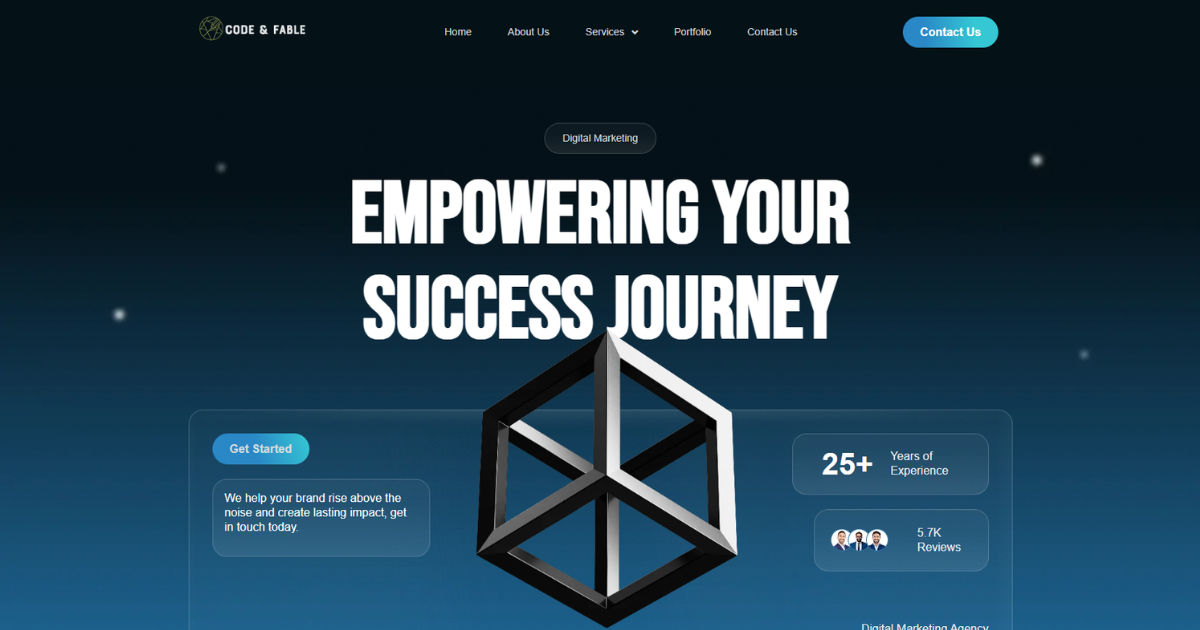
Code and Fable can use SEO to improve search engine rankings, increase website traffic, and connect with the right audience.
Without proper SEO, even the best products or services may remain hidden online. Search engines like Google help users discover businesses, and companies that invest in SEO often gain a major competitive advantage.
The internet is crowded with millions of websites competing for attention. This means Code and Fable must create a smart SEO strategy that helps its website appear when people search for relevant topics, services, or products.
SEO is not only about rankings. It is also about user experience, trust, authority, and content quality.
This comprehensive guide explains how Code and Fable can use SEO for visibility, growth, and long-term online success.
SEO and Why It Matters
SEO stands for Search Engine Optimization. It is the process of improving a website so it ranks higher on search engines like Google, Bing, and Yahoo.
When people search online, they usually click one of the first few results. If Code and Fable appears near the top of search engine results pages, more users are likely to visit the website.
SEO matters because it helps:
- Increase website traffic
- Improve online visibility
- Build brand trust
- Generate leads
- Boost sales and conversions
- Create long-term growth
Unlike paid ads, SEO can continue delivering traffic for months or years after content is published. This makes SEO a cost-effective strategy for Code and Fable.
How Search Engines Work
To understand SEO, Code and Fable must first understand how search engines work.
Search engines follow three major steps:
Crawling
Search engines use bots to discover webpages across the internet.
Indexing
After discovering pages, search engines store and organize them in their databases.
Ranking
Search engines decide which pages appear first based on relevance, quality, authority, and user experience.
If Code and Fable wants better visibility, it must optimize its website for all these processes.
Keyword Research for Code and Fable
Keyword research is the foundation of SEO. Keywords are the words and phrases people type into search engines.
For example, users may search:
- “best software development agency”
- “creative digital branding”
- “web development services”
- “SEO strategies for startups”
If Code and Fable targets the right keywords, it can attract the right audience.
Finding the Right Keywords
Code and Fable should focus on:
Short-Tail Keywords
These are broad keywords with high search volume.
Examples:
- web development
- SEO services
- branding agency
Long-Tail Keywords
These are more detailed phrases with lower competition.
Examples:
- affordable web development for startups
- SEO strategy for small businesses
- creative branding services online
Long-tail keywords often bring higher conversion rates because they match user intent better.
Creating High-Quality Content
Content is one of the most important parts of SEO. Search engines prioritize useful, informative, and engaging content.
Code and Fable should create content that answers user questions and solves problems.
Types of Content
Blog Posts
Educational articles can attract organic traffic.
Guides
Detailed tutorials help build authority.
Case Studies
Showing successful projects increases trust.
Videos
Video content improves engagement.
Infographics
Visual content is easy to share and understand.
Importance of User Intent
User intent means understanding why someone searches for something.
There are four main types:
Informational Intent
Users want information.
Example:
“How does SEO work?”
Navigational Intent
Users search for a specific brand.
Example:
“Code and Fable website”
Transactional Intent
Users want to buy something.
Example:
“hire SEO experts”
Commercial Intent
Users compare products or services.
Example:
“best digital agencies”
Understanding intent helps Code and Fable create better content.
On-Page SEO Strategies
On-page SEO focuses on optimizing website pages.
Optimizing Title Tags
Title tags should include important keywords.
Example:
“SEO Strategies for Business Growth Code and Fable”
Writing Meta Descriptions
Meta descriptions encourage users to click.
They should:
- Be clear
- Include keywords
- Stay under 160 characters
Using Header Tags
Headers improve readability.
Examples:
- H1 for main title
- H2 for major sections
- H3 for subtopics
Internal Linking
Internal links connect pages within the website.
Benefits include:
- Better navigation
- Increased page authority
- Improved user experience
Image Optimization
Images should:
- Use descriptive file names
- Include alt text
- Be compressed for speed
Technical SEO for Better Visibility
Technical SEO helps search engines access and understand websites.
Website Speed
Fast websites rank better and improve user experience.
Code and Fable should:
- Compress images
- Use caching
- Minimize code
Mobile Optimization
Most users browse on smartphones.
A mobile-friendly site is essential for SEO success.
Secure Website
HTTPS improves trust and security.
XML Sitemap
A sitemap helps search engines discover pages.
Fixing Broken Links
Broken links harm user experience and SEO.
Importance of Content Consistency
SEO requires regular updates.
Code and Fable should publish content consistently because search engines favor active websites.
A content calendar can help organize:
- Blog topics
- Publishing dates
- Social media sharing
Consistency builds authority over time.
Building Backlinks
Backlinks are links from other websites.
Search engines see backlinks as votes of trust.
High-quality backlinks can greatly improve rankings.
Ways to Build Backlinks
Guest Posting
Writing articles for other websites.
Partnerships
Collaborating with related brands.
Shareable Content
Creating valuable resources people naturally link to.
Digital PR
Getting featured in news articles or industry blogs.
For Code and Fable, backlink quality matters more than quantity.
Local SEO Strategies
If Code and Fable serves local clients, local SEO becomes important.
Google Business Profile
A complete profile improves local visibility.
Local Keywords
Examples:
- web development agency in Lahore
- SEO company near me
Customer Reviews
Positive reviews build trust and improve rankings.
Local Citations
Business information should remain consistent across directories.
SEO and User Experience
Search engines want users to have positive experiences.
Good user experience includes:
- Fast loading pages
- Easy navigation
- Clear design
- Helpful content
If visitors stay longer on the site, search engines may view the website as valuable.
Importance of Mobile SEO
Mobile traffic dominates the internet today.
Code and Fable should ensure:
- Responsive design
- Fast mobile speed
- Easy navigation
- Readable text
Google uses mobile-first indexing, meaning it primarily evaluates the mobile version of websites.
Voice Search Optimization
Voice search is growing because of smart devices.
People use conversational queries like:
- “What is the best SEO strategy?”
- “How can Code and Fable improve online visibility?”
To optimize for voice search:
- Use natural language
- Answer common questions
- Include FAQ sections
The Role of Social Media in SEO
Social media does not directly affect rankings, but it increases visibility.
Platforms like:
- X
- YouTube
can drive traffic to the website.
When content is shared widely, it may attract backlinks and engagement.
Using Analytics to Improve SEO
SEO success requires tracking performance.
Google Analytics
Helps measure:
- Traffic
- Bounce rate
- User behavior
- Conversions
Google Search Console
Shows:
- Keyword rankings
- Click-through rates
- Website errors
By analyzing data, Code and Fable can improve strategies over time.
Importance of SEO-Friendly URLs
URLs should be:
- Short
- Clear
- Descriptive
Example:
- good: website.com/seo-guide
- bad: website.com/page123?id=45
Clean URLs improve user experience and search visibility.
Content Marketing and SEO
Content marketing and SEO work together.
High-quality content:
- Attracts visitors
- Builds authority
- Generates backlinks
Code and Fable can combine:
- Blogs
- Videos
- Podcasts
- Guides
- Tutorials
to strengthen SEO efforts.
SEO for Brand Authority
Strong SEO helps businesses become industry leaders.
When users repeatedly see Code and Fable in search results, trust grows over time.
Authority leads to:
- More clicks
- Better reputation
- Increased customer confidence
Common SEO Mistakes to Avoid
Keyword Stuffing
Using keywords too often hurts readability.
Duplicate Content
Copied content confuses search engines.
Ignoring Mobile Users
Mobile optimization is essential.
Slow Websites
Poor speed increases bounce rates.
Low-Quality Backlinks
Spammy links can harm rankings.
Avoiding these mistakes helps Code and Fable maintain long-term SEO success.
Importance of SEO Audits
SEO audits identify problems affecting performance.
An audit checks:
- Website speed
- Broken links
- Keyword optimization
- Technical issues
- Content quality
Regular audits help Code and Fable stay competitive.
E-E-A-T and SEO
Google values:
- Experience
- Expertise
- Authoritativeness
- Trustworthiness
This concept is called E-E-A-T.
To improve E-E-A-T, Code and Fable should:
- Publish expert content
- Show real experience
- Use trustworthy sources
- Maintain accurate information
The Power of Evergreen Content
Evergreen content stays useful over time.
Examples:
- SEO basics
- Web development guides
- Marketing tutorials
Evergreen content can generate traffic for years.
Video SEO Strategies
Videos are highly engaging.
Code and Fable can improve video SEO by:
- Using keywords in titles
- Adding captions
- Writing descriptions
- Creating engaging thumbnails
YouTube is also a search engine, making video optimization important.
SEO and Conversion Optimization
Traffic alone is not enough.
Code and Fable should focus on conversions by:
- Using clear calls to action
- Improving landing pages
- Simplifying forms
- Building trust signals
SEO should support business goals.
Future Trends in SEO
SEO continues evolving.
Artificial Intelligence
AI changes how search engines understand content.
Visual Search
Users can search using images.
Voice Technology
Voice search continues growing.
Search Experience
Google focuses more on user satisfaction.
To remain competitive, Code and Fable must adapt to new SEO trends.
Building a Long-Term SEO Strategy
SEO is not a one-time task.
A strong long-term strategy includes:
- Regular content creation
- Technical improvements
- Keyword research
- Link building
- Performance analysis
Patience is important because SEO results often take time.
SEO and Competitive Advantage
Many businesses ignore SEO or use outdated methods.
This creates opportunities for Code and Fable.
A strong SEO strategy can:
- Outrank competitors
- Increase market reach
- Improve credibility
- Attract better customers
Businesses with better visibility often gain more trust and recognition.
How Blogging Supports SEO
Blogging helps websites target many keywords.
Each blog post creates another opportunity to appear in search results.
Benefits include:
- Increased organic traffic
- Better authority
- Improved engagement
- More backlinks
Code and Fable should maintain a consistent blog schedule.
SEO and Customer Trust
Users trust websites appearing on the first page of Google.
Higher rankings often create the impression of credibility.
By using strong SEO practices, Code and Fable can improve public perception and build customer confidence.
The Importance of Fresh Content
Search engines prefer updated information.
Refreshing old content can:
- Improve rankings
- Increase traffic
- Maintain relevance
Updating statistics, examples, and keywords helps content stay competitive.
SEO Tools for Code and Fable
Useful SEO tools include:
Ahrefs
Great for backlink analysis.
SEMrush
Useful for keyword research and audits.
Moz
Helps track rankings.
Google Search Console
Provides website insights.
Google Analytics
Measures user behavior.
Using these tools can help Code and Fable improve decision-making.
Measuring SEO Success
SEO performance should be measured regularly.
Key metrics include:
- Organic traffic
- Keyword rankings
- Bounce rate
- Conversion rate
- Backlinks
- Time on page
Tracking progress helps improve future strategies.
Creating SEO-Friendly Landing Pages
Landing pages should:
- Target specific keywords
- Load quickly
- Include strong headlines
- Use clear calls to action
Optimized landing pages improve both visibility and conversions.
The Role of Storytelling in SEO
Storytelling makes content more engaging.
Instead of only sharing facts, Code and Fable can:
- Share experiences
- Explain challenges
- Highlight customer success stories
Storytelling keeps users interested and encourages longer visits.
SEO and Website Structure
A well-organized website improves navigation.
Good structure includes:
- Clear menus
- Logical categories
- Easy navigation
- Internal links
Search engines prefer organized websites.
Why Patience Matters in SEO
SEO takes time.
Results may take:
- Weeks
- Months
- Sometimes longer
However, long-term benefits often outweigh the waiting period.
Consistent effort helps Code and Fable achieve sustainable growth.
Conclusion
SEO is one of the most powerful digital marketing strategies available today. For Code and Fable, SEO can create greater visibility, attract targeted visitors, improve credibility, and support long-term business growth. A strong SEO strategy involves much more than simply adding keywords to webpages. It requires high-quality content, technical optimization, user experience improvements, backlink building, mobile responsiveness, and continuous performance tracking.
By understanding how search engines work, Code and Fable can build a website that meets both user needs and search engine requirements. Consistent blogging, effective keyword research, fast website performance, and engaging content can help improve rankings and online authority over time.
SEO also helps businesses compete in crowded digital markets. When users repeatedly discover Code and Fable through search engines, trust and recognition naturally grow. This increased visibility can lead to more traffic, higher conversions, and stronger brand loyalty.
The digital landscape constantly changes, and SEO continues evolving alongside technology. Businesses that stay updated with SEO trends, focus on user experience, and provide valuable content are more likely to succeed in the long run. For Code and Fable, investing in SEO is not just about rankings. It is about building a lasting online presence that continues delivering value for years to come.