
Technological Advancements in Pressure Transmitters for Modern ApplicationsTechnological Advancements in Pressure Transmitters for Modern Applications
Among these devices, ultrasonic level sensors stand out for their non-contact measurement abilities, providing a reputable technique to gauge the level of different substances. Differential pressure transmitters provide crucial data for keeping track of pressure distinctions in liquid systems. These devices can be used to gauge levels indirectly in open storage tanks, using flexibility throughout various industrial applications by transforming the measurement of pressure into a standardized signal that can be translated by control systems.
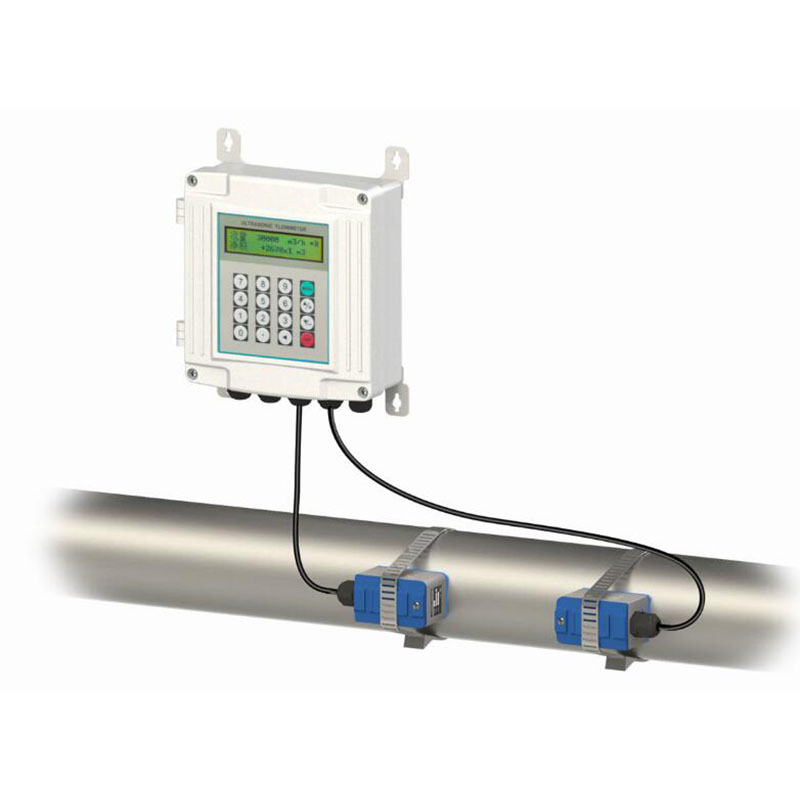
Along with level measurement and pressure picking up, flow measurement plays an important function in industrial processes. Inline flow meters are among the most typically utilized gadgets, measuring the volume or mass of gases and fluids streaming through a pipe. Magnetic flow meters, which utilize Faraday’s Law of electromagnetic induction, provide a non-invasive method of flow measurement with no moving parts, making them a favored option for applications entailing conductive fluids. Their accuracy and integrity in determining water flow and various other liquids have made them important devices in different fields, consisting of water beverage, therapy and food, and chemical processing. Matching these technologies, clamp-on ultrasonic flow meters supply a non-intrusive method of flow measurement by securing onto the outside of a pipe. This approach not just reduces installment prices but also decreases the demand for maintenance, thus enhancing the general efficiency of flow measurement systems.
In addition, torque sensors play an important function in applications that call for precise measurement of torque in mechanical systems. Rotary torque transducers, for example, can be used in making to check and regulate the torque related to numerous mechanical parts, ensuring that they operate within specified restrictions and accomplish optimal performance. This ability can be important in assemblies where inappropriate torque can lead to devices failure, errors, or unsafe operating problems. Along with pressure sensors, industries can preserve their operational integrity. Different types of pressure sensors, consisting of vacuum pressure sensors and absolute pressure sensors, make it possible for companies to manage the atmosphere and keep an eye on in which their items are made, ensuring optimum conditions throughout the production process.
Explore clamp on ultrasonic flow meter the pivotal function of sophisticated sensors and transmitters in industrial automation, from ultrasonic level sensors to magnetic flow meters, and find out exactly how these modern technologies boost performance and accuracy across different applications.
With numerous flow meter choices offered, including turbine flow meters, rotameters, and various other types, organizations need to select gadgets that fulfill their particular functional requirements, taking variables such as range, fluid, and accuracy attributes right into account. Additionally, calibration is an important consideration for flow meters, specifically turbine flow meter calibration, which makes certain that the gadget gauges properly over its desired array.
On the subject of oil and fuel monitoring, diesel tank level indicators are coming to be increasingly essential as industries look for to improve functional performance and reduce waste. These tools offer real-time tracking of fuel levels, permitting business to handle their inventory effectively and make sure that procedures are not disturbed as a result of provide shortages. In the exact same vein, high-temperature pressure transmitters are essential in processes where extreme conditions prevail, making sure that exact pressure information is passed on even in atmospheres that might damage conventional pressure sensing devices.
Technological developments have also presented guided wave radar level transmitters, which are particularly effective in testing environments. These sensors make use of radar modern technology to determine degrees within a tank, offering enhanced precision and dependability, particularly for applications with differing thickness or conditions that could otherwise prevent measurement accuracy. Hydrostatic level sensors use one more technique for level measurement, using pressure to assess liquid elevation based upon the hydrostatic pressure exerted by the fluid above the sensor. This strategy is commonly made use of in water management and wastewater therapy facilities, where comprehending liquid degrees is critical for operational efficiency.
Discover the crucial role of advanced sensors and transmitters in industrial automation, from ultrasonic level sensors to magnetic flow meters, and find out just how these technologies boost effectiveness and precision throughout numerous applications.
Generally, the working principle of pressure transmitters is basic for recognizing how pressure dimensions convert right into workable information. By converting the determined pressure right into an electrical signal, these transmitters enable smooth interaction with control systems, enabling real-time monitoring and changes to processes. Industries heavily rely upon this data to maintain security, performance, and conformity with regulative standards.
Water flow meters, in specific, play an essential role in different industries, consisting of farming, manufacturing, and metropolitan water systems. With the introduction of clever innovation, the integration of IoT with flow meters and other sensors has transformed just how industries run.
In final thought, the diverse series of transmitters and sensors available in today’s market encourages markets to keep high degrees of effectiveness and precision in their procedures. The importance of ultrasonic level sensors, differential pressure transmitters, inline flow meters, magnetic flow meters, and torque sensors can not be forgotten, as they form the backbone of modern-day industrial automation. Collaboration with reputable flow meter representatives, makers, and suppliers makes sure that businesses obtain the best possible devices to manage their details obstacles. Inevitably, the assimilation of advanced sensors, proper calibration, and continual enhancement in measurement innovation will drive future improvements in industrial processes, making systems more dependable, risk-free, and reliable. As industries look in the direction of the future, embracing these modern technologies will be important for preserving competitiveness in a quickly developing market.