Why Blue Silica Gel Changes Color?Why Blue Silica Gel Changes Color?
Blue Silica Gel is a small but very important material that most people have seen without really thinking about it. It often comes in tiny packets inside shoe boxes, medicine bottles, food packaging, and electronic items.
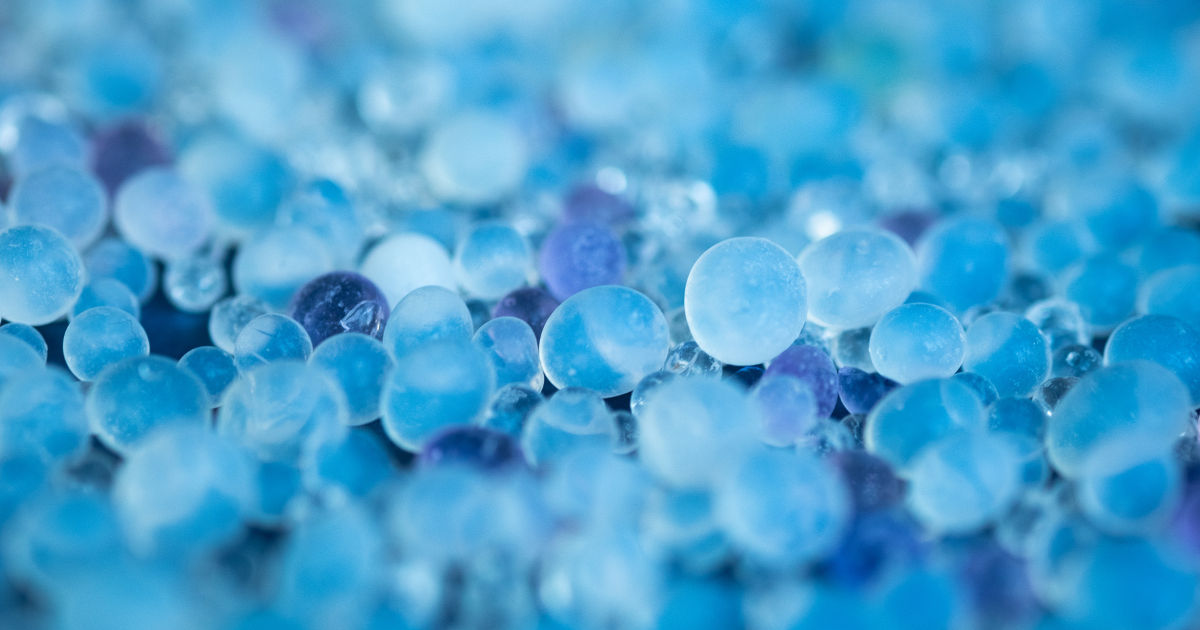
Many people notice that Blue Silica Gel changes color over time, usually from blue to pink, and wonder why this happens. The color change is not random or decorative. It is actually a clear scientific signal that tells us something important about moisture in the environment.
This comprehensive guide explains why Blue Silica Gel changes color, how it works, what the color change means, and why it is widely used in different industries. The explanations are simple, detailed, and written for a 12th-grade audience, so the concepts are easy to understand even if you are not a science expert.
What Is Blue Silica Gel?
Blue Silica Gel is a form of silica gel that contains a special moisture indicator. Silica gel itself is made from silicon dioxide, a compound found naturally in sand and quartz. It looks like small beads or crystals and has an incredible ability to absorb moisture from the air.
What makes Blue Silica Gel different from regular clear or white silica gel is the added indicator chemical. This indicator changes color when it absorbs water. Because of this feature, Blue Silica Gel is often called “indicating silica gel.”
Why Silica Gel Is Used for Moisture Control
Moisture can damage many products. Electronics can short-circuit, medicines can lose effectiveness, food can spoil, and metal tools can rust. Silica gel helps prevent these problems by absorbing water vapor from the surrounding air.
Blue Silica Gel is especially useful because it does not just absorb moisture. It also visually shows when it has absorbed too much water and needs to be replaced or dried.
The Science Behind Blue Silica Gel
What Is Silica?
Silica is a porous material, meaning it has millions of tiny holes. These microscopic pores attract and trap water molecules. When air passes over silica gel, moisture sticks to the surface and stays there.
Why the Color Is Blue
The blue color in Blue Silica Gel comes from a moisture-sensitive indicator, traditionally cobalt chloride. When the gel is dry, the indicator appears blue. This tells you that the silica gel is still effective and can absorb more moisture.
Why Blue Silica Gel Changes Color
The Role of Moisture Absorption
Blue Silica Gel changes color because it absorbs water from the air. As moisture enters the pores of the silica gel, it reacts with the indicator chemical. This chemical reaction causes the color to change.
From Blue to Pink
When Blue Silica Gel absorbs enough moisture, the indicator reacts with water molecules and changes color, usually from blue to pink. This color shift is a clear warning sign that the silica gel has reached its moisture-absorbing limit.
What the Color Change Means
Blue Color Meaning
When Blue Silica Gel is blue, it is dry and active. It can still absorb moisture effectively. Products stored with blue gel are well protected from humidity.
Pink Color Meaning
When Blue Silica Gel turns pink, it means the gel has absorbed significant moisture. At this stage, it is no longer effective and should be replaced or regenerated.
Is the Color Change Reversible?
Yes, in most cases, the color change in Blue Silica Gel is reversible. If the gel is dried properly, the moisture leaves the pores, and the indicator returns to its original blue color.
How to Regenerate Blue Silica Gel
Drying Through Heat
Blue Silica Gel can be regenerated by heating it. The heat drives out the absorbed moisture. Common methods include using an oven or a microwave at low temperatures.
Safety Considerations
When regenerating Blue Silica Gel, it is important to avoid overheating. Excessive heat can damage the gel or release harmful fumes, especially in older types containing cobalt chloride.
Why Blue Silica Gel Is So Popular
Easy Visual Monitoring
One major advantage of Blue Silica Gel is that it allows users to see moisture levels instantly. There is no need for special equipment or testing.
Cost-Effective Solution
Blue Silica Gel is affordable and reusable. This makes it an economical choice for long-term moisture control.
Common Uses of Blue Silica Gel
Packaging Industry
Blue Silica Gel is widely used in packaging to protect goods during shipping and storage. It keeps products dry even in humid conditions.
Electronics Protection
Electronic devices are very sensitive to moisture. Blue Silica Gel helps prevent corrosion and internal damage.
Medical and Pharmaceutical Use
Medicines must be stored in dry conditions to maintain their effectiveness. Blue Silica Gel helps control humidity in medicine bottles and medical equipment packaging.
Environmental Factors That Affect Color Change
Humidity Levels
High humidity environments cause Blue Silica Gel to change color faster. In dry climates, it stays blue for longer periods.
Temperature
Warm air holds more moisture. This can speed up the color change in Blue Silica Gel if the surrounding air is humid.
Is Blue Silica Gel Safe?
Health Considerations
Traditional Blue Silica Gel contains cobalt chloride, which can be toxic if ingested or inhaled in large amounts. For this reason, newer versions often use safer alternatives.
Safe Handling Tips
Always keep Blue Silica Gel away from children and pets. Do not eat it, and avoid crushing the beads into dust.
Blue Silica Gel vs Other Types of Silica Gel
Clear or White Silica Gel
Clear silica gel does not change color. You cannot easily tell when it is saturated with moisture.
Orange Indicating Silica Gel
Some modern alternatives use orange indicators instead of blue. However, Blue Silica Gel remains popular due to its strong color contrast.
Why the Color Change Is Reliable
Chemical Accuracy
The indicator used in Blue Silica Gel reacts specifically with water molecules. This makes the color change a reliable signal of moisture absorption.
Consistent Performance
Blue Silica Gel behaves consistently across different environments, making it dependable for moisture control.
Common Myths About Blue Silica Gel
Myth: It Absorbs Liquid Water
Blue Silica Gel absorbs water vapor, not liquid water. It works in the air, not by soaking up spills.
Myth: Color Change Means It Is Dangerous
The color change only shows moisture levels. Blue Silica Gel does not become dangerous simply because it turns pink.
How Long Does Blue Silica Gel Last?
The lifespan of Blue Silica Gel depends on environmental conditions. In dry storage, it can last months or even years. In humid areas, it may need frequent regeneration.
How to Store Blue Silica Gel Properly
Airtight Containers
To keep Blue Silica Gel effective, store it in sealed containers when not in use.
Avoid Moist Areas
Keeping Blue Silica Gel away from moisture ensures it stays blue and ready for use.
Industrial Importance of Blue Silica Gel
Manufacturing and Warehousing
Industries rely on Blue Silica Gel to protect raw materials and finished products from moisture damage.
Transportation
During long-distance shipping, Blue Silica Gel prevents condensation-related damage.
Educational Value of Blue Silica Gel
Blue Silica Gel is often used in classrooms to demonstrate chemical reactions and moisture absorption. The visible color change makes it a great learning tool.
Future Alternatives to Blue Silica Gel
Due to health concerns related to cobalt chloride, research continues into safer indicators. However, Blue Silica Gel remains widely used due to its effectiveness.
Why Understanding Blue Silica Gel Matters
Knowing why Blue Silica Gel changes color helps consumers use it correctly. It prevents product damage and reduces waste by allowing regeneration instead of disposal.
Conclusion
Blue Silica Gel changes color because it absorbs moisture from the air and reacts with a moisture-sensitive indicator. The blue color shows that the gel is dry and active, while the pink color signals that it has absorbed enough water and needs regeneration or replacement. This simple yet powerful visual cue makes Blue Silica Gel an essential tool for moisture control in packaging, electronics, medicine, and many other fields.
By understanding how Blue Silica Gel works and why it changes color, users can make better decisions about storage, safety, and reuse. Its ability to protect valuable items from moisture damage, combined with its easy-to-read color change, explains why Blue Silica Gel continues to be widely used around the world.