Styling Women Motorcycle JacketsStyling Women Motorcycle Jackets
Motorcycle riding isn’t just about thrill and speed; it’s also about style, comfort, and protection.
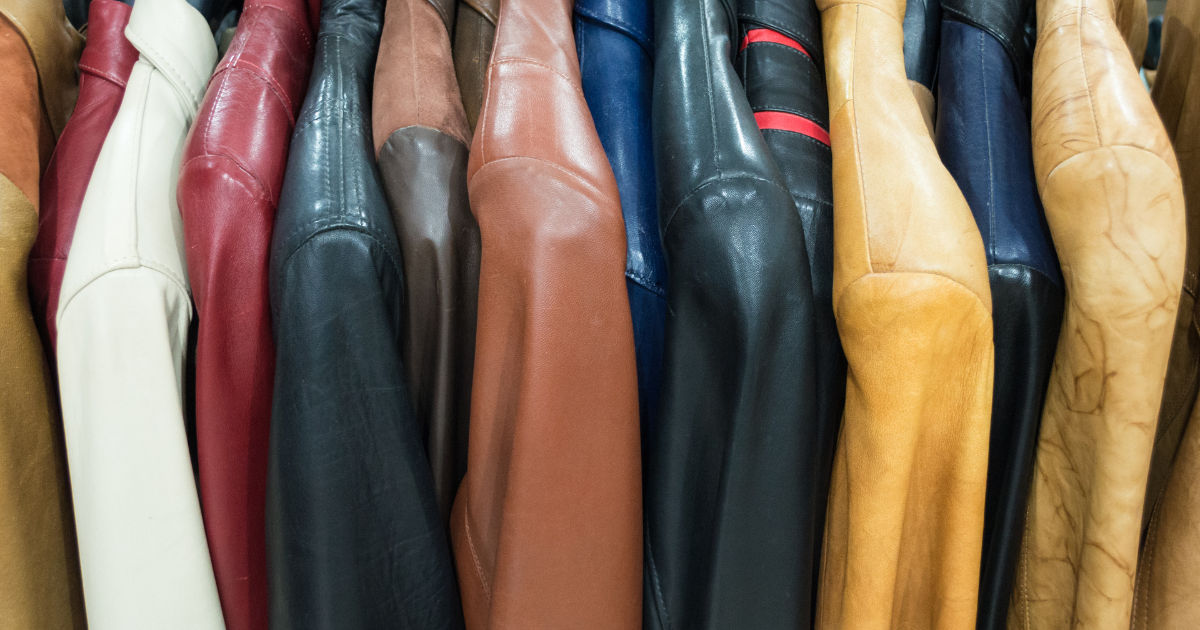
Among the most iconic pieces of riding gear is the Women Motorcycle Leather Jacket. More than just functional, these jackets are a fashion statement for women riders.
From classic black leather to bold colored designs, motorcycle jackets can enhance your overall look while keeping you safe on the road.
In this guide, we’ll explore everything about styling women motorcycle jackets. Whether you are a beginner rider or a seasoned motorcyclist, you’ll learn how to combine safety, comfort, and style seamlessly.
Women Motorcycle Jackets
A Women Motorcycle Leather Jacket is specifically designed to fit a woman’s body shape while providing maximum protection. Unlike unisex jackets, women’s jackets offer:
-
Tailored fit: Slightly tapered at the waist and contoured around the shoulders and bust.
-
Comfortable movement: Extra flexibility for handling handlebars and long rides.
-
Safety features: Armor padding, reinforced stitching, and abrasion-resistant leather.
These elements make women’s motorcycle jackets not only practical but also stylish. Knowing the different types of jackets will help you choose one that suits your personality and riding style.
Types of Women Motorcycle Jackets
-
Classic Leather Jackets
These are timeless and versatile. Black or brown leather jackets pair well with almost anything. They often have minimal embellishments and a sleek design, ideal for riders who prefer a classic look. -
Biker Jackets
Known for their edgy style, biker jackets usually feature zippers, studs, and quilted padding. Perfect for those who want to make a bold statement. -
Racing Jackets
These are designed for speed and performance. They are aerodynamic, lightweight, and often have reinforced areas on elbows, shoulders, and back. -
Touring Jackets
Ideal for long rides, touring jackets focus on comfort and storage. They often include multiple pockets, ventilation systems, and removable liners for varying weather conditions. -
Fashion Jackets
These combine style and safety. They may use colored leather, unique cuts, or decorative stitching while still maintaining protective features.
Choosing the Right Fit
A well-fitted Women Motorcycle Leather Jacket enhances style and safety. Here’s how to ensure your jacket fits perfectly:
-
Shoulders and sleeves: The shoulders should sit naturally without being tight. Sleeves should cover your wrists and allow full arm movement.
-
Chest and waist: The jacket should contour your torso without restricting breathing. Look for adjustable waist belts or side zippers for a customized fit.
-
Length: Jackets should cover the waistband when sitting on the motorcycle. Too short can expose skin in case of a fall; too long can be cumbersome.
Trying on jackets in different brands is essential since sizes vary. Comfort is key—never compromise fit for style.
Styling Tips for Women Motorcycle Jackets
Pairing with Bottoms
The choice of pants or skirts can dramatically change the overall look:
-
Jeans: Classic blue or black jeans are perfect for casual rides. Skinny jeans tuck easily into boots, while straight-leg jeans create a relaxed vibe.
-
Leather pants: Matching leather pants with your jacket creates a bold, cohesive look. Ensure the shades complement each other.
-
Leggings: Comfortable for urban rides and offer flexibility. Pair with boots or sneakers for a chic look.
-
Skirts or dresses: For a feminine touch, try short skirts or casual dresses with tights. Add ankle boots or knee-high boots for a balanced style.
Choosing Footwear
Boots are a biker’s best friend, and they also elevate style:
-
Ankle boots: Stylish and versatile, perfect for short rides or city commuting.
-
Knee-high boots: Offer extra protection and a striking look. Pair with fitted pants or skirts.
-
Riding boots: Built for functionality, they provide grip, support, and protection while riding.
Accessorizing Your Look
Accessories can enhance your jacket’s style without compromising safety:
-
Helmets: Choose a helmet that complements your jacket’s color and design. Full-face helmets are safest.
-
Gloves: Leather gloves with padding add protection and match your jacket.
-
Scarves and bandanas: Lightweight scarves can add a pop of color without interfering with safety.
-
Sunglasses or goggles: Protect your eyes and add a touch of glamour.
Layering for Style and Comfort
Layering ensures comfort in varying weather:
-
Under-jackets: Light sweaters or hoodies add warmth and a layered look.
-
Thermal wear: Ideal for long rides in colder climates.
-
Rain gear: Waterproof liners protect against sudden showers without ruining style.
Color Coordination
While black is classic, don’t shy away from experimenting with colors:
-
Neutral tones: Browns, tans, and gray shades pair with most outfits.
-
Bold colors: Red, blue, or white jackets make a statement and enhance visibility on the road.
-
Two-tone designs: Jackets with contrasting sleeves or panels add a modern edge.
Statement Pieces
Make your Women Motorcycle Leather Jacket the centerpiece of your outfit:
-
Embellishments: Studs, patches, or embroidery add a personal touch.
-
Customized jackets: Personalized designs reflect your personality while standing out.
-
Mix textures: Combining leather with denim or fabric accents creates unique styling.
Styling for Different Occasions
Casual Rides
For city or short rides, prioritize comfort and ease of movement:
-
Pair a black Women Motorcycle Leather Jacket with blue jeans and sneakers.
-
Add a casual t-shirt underneath and a helmet for safety.
Weekend Trips
Longer rides require both style and functionality:
-
Choose a touring jacket with layers for warmth.
-
Leather pants and riding boots provide protection and style.
-
Sunglasses or tinted visors enhance visibility and add flair.
Social or Biker Events
At motorcycle gatherings or events:
-
Opt for a biker or fashion jacket with bold designs.
-
Pair with leather pants or a skirt and high boots.
-
Accessories like gloves, belts, or scarves elevate your overall look.
Maintaining Your Women Motorcycle Leather Jacket
Leather is durable but requires proper care to maintain its style and longevity:
Cleaning
-
Use a damp cloth for light dirt.
-
Leather-specific cleaners remove stains without damaging texture.
-
Avoid washing machines or harsh chemicals.
Conditioning
-
Apply leather conditioner to prevent cracking and dryness.
-
Regular conditioning keeps your jacket soft and supple.
Storage
-
Hang on padded hangers to maintain shape.
-
Avoid direct sunlight or humid areas to prevent fading or mold.
Repairs
-
Minor scratches can be buffed out with leather polish.
-
Reinforce stitching if it loosens over time.
-
Take professional help for serious damages.
Safety and Style: Finding the Balance
While style is important, never compromise on protection:
-
Ensure your jacket has CE-approved armor at elbows, shoulders, and back.
-
Reinforced stitching enhances durability.
-
Visibility features like reflective strips improve safety during night rides.
The perfect Women Motorcycle Leather Jacket balances fashion with function, giving confidence both on and off the bike.
Top Trends in Women Motorcycle Jackets
-
Cropped Jackets: Stylish, edgy, and ideal for urban riders.
-
Color-blocking: Jackets with contrasting panels for a modern look.
-
Eco-leather options: Vegan leather jackets are growing in popularity.
-
Vintage-inspired jackets: Classic 70s or 80s designs making a comeback.
-
Tech-integrated jackets: Jackets with built-in cooling or heating systems for extreme rides.
How to Personalize Your Jacket
-
Add custom patches representing clubs, achievements, or favorite designs.
-
Embroidery of your name or initials adds uniqueness.
-
Paint designs or use studs for a bold look.
Common Mistakes to Avoid
-
Ignoring fit: Baggy jackets reduce protection and look sloppy.
-
Over-accessorizing: Too many accessories can interfere with safety.
-
Neglecting care: Leather requires maintenance to stay stylish.
-
Sacrificing safety for fashion: Armor and protection should always come first.
Conclusion
Styling a Women Motorcycle Leather Jacket is about finding the perfect balance between fashion, comfort, and safety. From choosing the right fit and pairing with complementary bottoms to accessorizing and maintaining your jacket, every detail matters. Jackets are no longer just riding gear—they are a bold expression of personality, confidence, and style.
Whether you prefer classic black leather, edgy biker designs, or vibrant fashion jackets, the key is to feel comfortable and confident while riding. Remember to care for your jacket, layer appropriately, and accessorize thoughtfully. With these tips, you’ll not only ride safely but also make a stylish statement wherever you go.
A well-styled Women Motorcycle Leather Jacket is timeless, versatile, and a must-have for every woman rider. Embrace your style, protect yourself, and ride with confidence.