
A virtual number is widely used today for account registration, online security, and identity confirmation across apps and websites.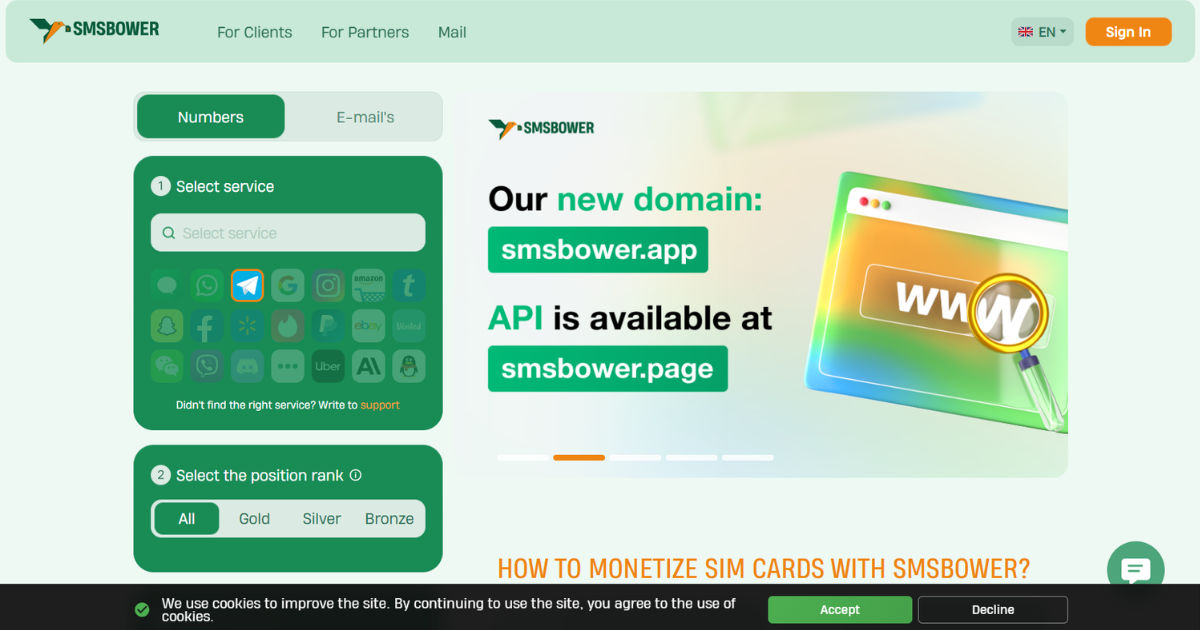
In the introduction to this guide, it is important to understand that a virtual number plays a key role in how modern digital platforms verify users before granting access to services.
The virtual number verification process is designed to ensure authenticity, reduce fraud, and protect user accounts from unauthorized access.
This comprehensive guide explains everything about how the virtual number verification process works, why it is used, its advantages, challenges, and step-by-step flow. The explanation is written in a simple way so even a 12th-grade student can understand it easily.
Introduction to Virtual Number Verification
The virtual number verification process is a method used by apps, websites, and online services to confirm that a user is real and not a bot or fake account creator. When you enter your phone number during signup, the system sends a code to a virtual number or uses a virtual number system to route verification messages.
In many cases, a virtual number is not tied to a physical SIM card. Instead, it works through cloud-based telecommunication systems. This makes the virtual number useful for both personal privacy and business-level communication.
The growing use of digital platforms has increased the demand for secure verification systems. That is why the virtual number verification process has become a standard practice in almost every online application today.
What is a Virtual Number?
A virtual number is a telephone number that is not connected to a traditional SIM card or physical phone line. Instead, it operates over the internet using VoIP (Voice over Internet Protocol) or cloud telephony systems.
A virtual number can receive calls, SMS messages, and verification codes just like a regular number. However, it is managed through software platforms.
Key characteristics of a virtual number include:
- It is cloud-based
- It does not require a physical SIM
- It can be accessed from anywhere
- It supports SMS and calls
- It is commonly used for OTP verification
Because of these features, the virtual number is widely used in authentication systems worldwide.
Why Verification is Important
Before understanding the virtual number verification process, it is important to understand why verification exists in the first place.
Verification helps to:
- Prevent fake account creation
- Protect user identity
- Reduce spam and bots
- Improve platform security
- Ensure real user engagement
A virtual number adds an additional layer of security because it ensures that the user has access to a valid communication channel.
How the Virtual Number Verification Process Works
The virtual number verification process follows a structured flow that is used by most online platforms.
Step 1: User Registration
The user enters personal details such as name, email, and a phone number. In many cases, a virtual number may be used during this step for privacy or testing purposes.
Step 2: System Generates Verification Code
After submitting the details, the system generates a One-Time Password (OTP). This OTP is sent to the provided virtual number.
Step 3: OTP Delivery to Virtual Number
The OTP is delivered through SMS or voice call to the virtual number system. Since a virtual number works via cloud infrastructure, the message is routed instantly.
Step 4: User Receives OTP
The user accesses the virtual number through an app, dashboard, or web platform and retrieves the OTP.
Step 5: Code Verification
The user enters the OTP into the verification screen. The system checks whether the code matches the one sent to the virtual number.
Step 6: Account Activation
Once verified, the account is activated. The virtual number verification process is now complete, and the user can access the platform.
Types of Virtual Numbers Used in Verification
There are different types of virtual number systems used in verification processes.
Temporary Virtual Number
A temporary virtual number is used for short-term verification. It is often used for single-use OTPs and expires after a short time.
Permanent Virtual Number
A permanent virtual number is assigned for long-term use. Businesses often use it for customer communication and repeated verification.
Shared Virtual Number
A shared virtual number is used by multiple users in a system. This is common in testing environments or bulk verification platforms.
Dedicated Virtual Number
A dedicated virtual number is assigned to one user or company only. It provides higher security and reliability.
Role of Virtual Number in Online Security
A virtual number plays an important role in strengthening online security systems.
It helps by:
- Blocking fake registrations
- Ensuring real user identity
- Reducing automated bot attacks
- Protecting sensitive accounts
Many platforms rely on virtual number systems to ensure only genuine users are allowed access.
Benefits of Using Virtual Number Verification
The virtual number verification process offers many advantages:
1. Privacy Protection
Users can hide their real phone numbers by using a virtual number.
2. Global Accessibility
A virtual number can be used from any location, making it ideal for international platforms.
3. Cost Efficiency
Businesses save money by using virtual number systems instead of traditional phone infrastructure.
4. Fast Verification
The virtual number system delivers OTPs instantly, improving user experience.
5. Scalability
Companies can easily scale verification systems using multiple virtual number services.
Limitations of Virtual Number Verification
Despite its advantages, the virtual number verification process has some limitations.
1. Dependency on Internet
A virtual number requires a stable internet connection.
2. Security Concerns
Some shared virtual number systems may be misused if not properly secured.
3. Service Restrictions
Certain apps do not accept all types of virtual number services.
4. OTP Delays
Sometimes, OTP delivery to a virtual number may be delayed due to network issues.
Use Cases of Virtual Number Verification
The virtual number verification process is used in many industries.
Social Media Platforms
Apps like messaging and social networks use a virtual number to verify users.
E-commerce Websites
Online shopping platforms use a virtual number for account security and order tracking.
Banking and Fintech
Financial institutions use a virtual number system for secure login and transaction verification.
Gaming Platforms
Gaming services use a virtual number to prevent fake accounts and cheating.
Step-by-Step Technical Breakdown
Let’s explore a deeper technical view of the virtual number verification process.
Step 1: API Request
The application sends a request to the verification server using a virtual number API.
Step 2: Number Allocation
The system allocates a virtual number from its database or cloud pool.
Step 3: OTP Generation
A secure OTP is generated and linked to the virtual number session.
Step 4: Message Routing
The message is routed through telecom gateways to the virtual number.
Step 5: User Input Validation
The system verifies the OTP entered by the user against the virtual number record.
Step 6: Session Completion
Once validated, the virtual number session is closed or marked complete.
Security Mechanisms in Virtual Number Verification
To make the virtual number system secure, platforms use several mechanisms:
- Encryption of OTP messages
- Time-based OTP expiration
- Rate limiting on verification attempts
- Device fingerprinting
- IP tracking
These methods ensure that the virtual number verification process remains secure and reliable.
Future of Virtual Number Technology
The future of the virtual number system looks very promising.
With advancements in AI and cloud computing, the virtual number verification process will become faster and more intelligent. It may include:
- AI-based fraud detection
- Biometric integration
- Blockchain verification systems
- Instant global OTP delivery
The role of the virtual number will continue to expand in digital identity systems.
Common Problems and Solutions
Problem 1: OTP Not Received
Solution: Check network connectivity or refresh the virtual number system.
Problem 2: Invalid Code
Solution: Ensure correct entry and request a new OTP via virtual number.
Problem 3: Expired Code
Solution: Request a new verification code from the virtual number system.
Problem 4: Blocked Number
Solution: Use a different virtual number if the service restricts it.
Best Practices for Virtual Number Verification
To use a virtual number effectively, follow these practices:
- Always use trusted providers
- Avoid public shared services
- Keep OTP confidential
- Use dedicated virtual number for important accounts
- Enable additional security layers
These practices ensure safe and smooth verification using a virtual number.
Conclusion
The virtual number verification process is a vital part of modern digital systems. It ensures security, prevents fraud, and makes user authentication fast and reliable. From social media platforms to banking applications, the virtual number plays an essential role in confirming user identity.
As technology evolves, the virtual number system will continue to improve, offering even more secure and efficient verification methods. Understanding this process helps users and businesses make better decisions about digital security.
In summary, the virtual number is not just a communication tool but a powerful verification mechanism shaping the future of online authentication systems.